Gapan City, Nueva Ecija is within Region III – Central Luzon, in the Republic of the Philippines.
Barangays of Gapan City, in the Nueva Ecija province, within Region III – Central Luzon in the Republic of The Philippines
Balante • Bayanihan • Bulak • Bungo • Kapalangan • Mabunga • Maburak • Mahipon • Makabaclay • Malimba • Mangino • Marelo • Pambuan • Parcutela • Puting Tubig • San Lorenzo (Pob.) • San Nicolas • San Roque • San Vicente (Pob.) • Santa Cruz • Santo Cristo Norte • Santo Cristo Sur • Santo Niño
About Gapan City, Nueva Ecija, Philippines
Gapan City: The Footwear Capital of the North
Gapan City, often lauded as the “Footwear Capital of the North,” is a thriving component city of Nueva Ecija province in the heart of Central Luzon, Philippines. Distinguished by its rich history, bustling trade, and strong agricultural backbone, Gapan serves as a vital economic hub in the southern part of the province. Located strategically in the central plains, Gapan’s flat, fertile terrain contributes significantly to the region’s status as the “Rice Granary of the Philippines,” while its accessibility solidifies its position as a center for commerce and transportation.
Location and Accessibility
Gapan City is situated in the southeastern section of Nueva Ecija, geographically surrounded by the municipalities of San Leonardo to the north, Peñaranda and General Tinio to the east, San Miguel (Bulacan) to the south, and San Isidro to the west. Its prime location is characterized by its direct access to major thoroughfares, most notably the Maharlika Highway (Asian Highway 26), which runs directly through the city center. This highway is the primary artery connecting Gapan to Metro Manila in the south (approximately 90 to 100 kilometers away) and points further north in Luzon. Most people travel to and from Gapan via bus lines (such as Five Star, Baliwag Transit, and Genesis) and modern commuter vans, utilizing the extensive network of public transportation available along the Maharlika Highway. The city’s bus terminal is a major transit point, facilitating daily movement of goods and passengers across Central Luzon.
Population and Demographics (2020 Census)
According to the 2020 Census of Population and Housing conducted by the Philippine Statistics Authority (PSA), Gapan City has a population of 122,968 residents. This figure highlights Gapan as one of the more densely populated areas in Nueva Ecija. The continuous growth of its population reflects its economic vitality and status as a major commercial center, attracting residents from surrounding rural municipalities. The population is largely composed of Ilocano, Tagalog, and Pampango ethnic groups, resulting in a vibrant cultural mix, with Tagalog and Ilocano being the most commonly spoken languages.
Distance from Nearest Port
Gapan City, being landlocked, relies on major transport hubs in neighboring provinces for air and sea travel. The nearest international gateway is the Ninoy Aquino International Airport (NAIA) in Pasay City, Metro Manila. The distance from the Gapan City Hall to NAIA is approximately 100 to 110 kilometers. By public bus or private vehicle, travel time typically ranges from 2.5 to 4 hours, depending heavily on traffic conditions in Metro Manila. For sea travel, the Port of Manila is the nearest major seaport. The distance to the Port of Manila is roughly 95 to 105 kilometers, with a comparable travel time by road. Gapan’s connectivity is thus primarily road-based, linking it efficiently to these critical national transport centers.
Main Contributing Industries and Economy
Gapan City is classified as a Fourth Class Component City, showcasing a balanced and dynamic local economy. Its traditional main contributing industry is agriculture, primarily rice production, which benefits from the vast irrigable lands of the Central Luzon plain. However, Gapan’s economic identity has evolved significantly, and it is now renowned for its light manufacturing and trade sectors. It has earned the moniker “Footwear Capital of the North” due to its specialization in the manufacture and distribution of slippers, sandals, and shoes, with numerous small and medium enterprises (SMEs) engaged in the industry. Trade and commerce are further boosted by the presence of large commercial banks, supermarkets, and a bustling public market that serves the entire southern Nueva Ecija area. While specific Municipal GDP rankings are not consistently provided for all Philippine cities, Gapan’s classification and trade activity indicate its standing as a powerful regional commercial center.
Current Elected Leaders
The following are the current elected leaders of Gapan City (based on the 2022 elections):
City Mayor: Hon. Emmanuel F. Tinio
City Vice Mayor: Hon. Marvin A. Natividad
Sangguniang Panlungsod (City Council) Members:
Hon. Eleanor R. De Jesus
Hon. Enrico T. Gacusan
Hon. Christian A. Barlis
Hon. Milagros M. Ocampo
Hon. Genaro M. Gatchalian
Hon. Richard M. Climacosa
Hon. Rodolfo B. Delos Reyes
Hon. Maria Cecilia S. Nocum
Hon. Alberto G. Pascual
Hon. Christopher P. Puno
Tourist Attractions
Gapan City holds several historical and cultural landmarks that attract visitors:
- Gapan Ancestral Houses: Several well-preserved colonial-era houses reflect the city’s rich history as an old town, offering a glimpse into the past, many dating back to the late Spanish and American colonial periods.
- Lumang Gapan City Hall: The old municipal building showcases classic architecture and serves as a historical marker of the city’s development and civic life over the past century.
- National Shrine of Nuestra Señora dela Virgen Divina Pastora: Located in the neighboring municipality of Gapan (though closely associated with the city’s religious life), this is a major pilgrimage site, drawing thousands of devotees annually for one of the country’s most significant Marian devotions.
- Holy Trinity Parish Church: Built in 1869, this historic stone church is known for its beautiful architecture, notably its intricate brickwork and centuries-old bell tower, and is a central point for the local Catholic community.
- Local Footwear Factories and Stores: Given its title as the “Footwear Capital,” the city is a destination for shoppers looking for quality, locally made footwear, including durable leather shoes and comfortable sandals, often available at factory-gate prices.
Yearly Festivals
Gapan City celebrates one primary annual festival:
- Araw ng Gapan (Gapan Day): Celebrated every August 25th, this is the city’s charter anniversary and is marked by various civic, cultural, and sporting events. It features colorful parades, trade fairs showcasing local products (especially footwear), and community gatherings that highlight the city’s progress and unity.
- La Divina Pastora Feast Day: While the devotion is centered in the neighboring area, the city actively participates in the May 1st feast day celebration dedicated to the Divine Shepherdess, which is a major religious event for all of Nueva Ecija, drawing massive processions through the city’s streets.
History
Gapan is historically significant as one of the oldest towns in Nueva Ecija, established by Augustinian friars in 1595. It was originally known as Ibon and was one of the first Spanish settlements in the province, serving as an important center for religious missions and early colonial trade due to its location along major river systems. Gapan played a notable role during the Philippine Revolution against Spain and the subsequent Filipino-American War, serving as a strategic staging ground for revolutionary forces due to its control over key roadways. In the 20th century, Gapan grew steadily, shifting from a pure agricultural base to a bustling commercial center, especially after the development of the Maharlika Highway, which made it a critical transport node. It was officially converted into a component city on June 21, 2001, through Republic Act No. 9024, transitioning from a municipality to a city and cementing its role as a key urban center in Central Luzon and an important historical marker for the province.
Upload photos to this page
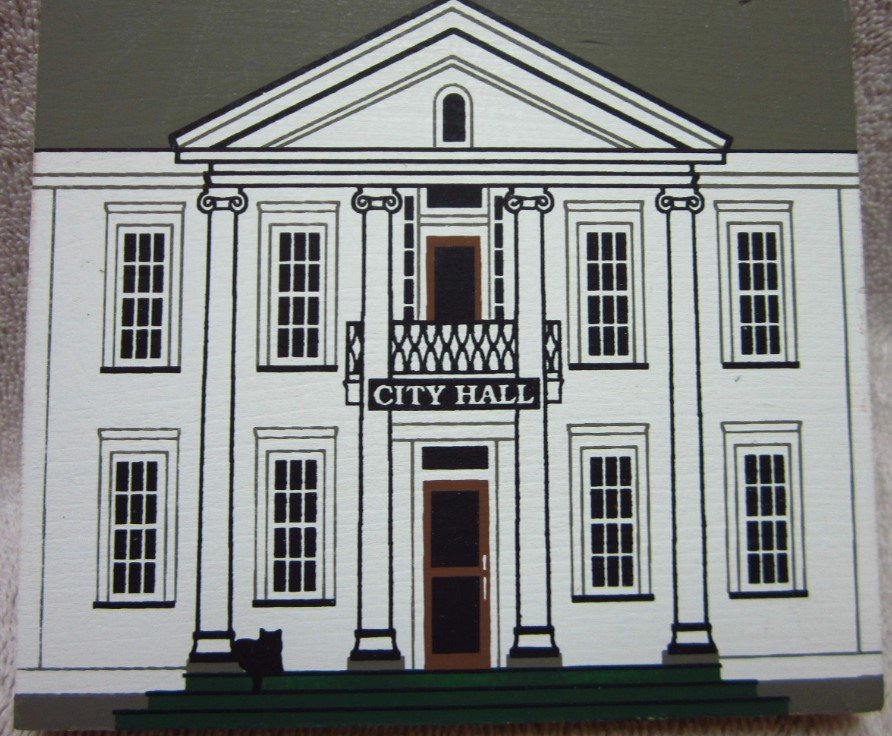
Give a little photo showcase of your municipality. Upload some photos of Landmarks and government buildings. You don’t have to be registered. Go to the comment section and you can upload images there. Make sure to give the picture a good description
- For every city or municipality to prosper, it must develop the barangay’s infrastructures.
Featured News of the Philippines
January 7, 2026
1️⃣ Andas for Traslación 2026 now ready, with upgrades
The Andas carrying the Black Nazarene for January 9 Traslación features new steering wheel and reinforced underchassis to handle massive devotee crowds safely.
2️⃣ Over 3,500 affected by Mayon volcano unrest
NDRRMC reports 3,515 people from 964 families evacuated in Albay due to recent magmatic eruptions, ashfall, and pyroclastic flows; all in permanent danger zone.
3️⃣ Magnitude 6.4 quake hits off southern Philippines
USGS detects 6.4 quake off Davao Oriental coast—no tsunami threat reported, but locals feel shaking; no immediate damage confirmed.
List of Cities in the Philippines
Alaminos | Angeles | Antipolo | Bacolod | Bacoor | Bago | Baguio | Bais | Balanga | Batac | Batangas | Bayawan | Baybay | Bayugan | Biñan | Bislig | Bogo | Borongan | Butuan | Cabadbaran | Cabanatuan | Cabuyao | Cadiz | Cagayan de Oro City | Calamba | Calapan | Calbayog | Caloocan | Candon | Canlaon | Carcar | Carmona | Catbalogan | Cauayan | Cavite | Cebu | Cotabato | Dagupan | Danao | Dapitan | Dasmariñas | Davao | Digos | Dipolog | Dumaguete | El Salvador | Escalante | Gapan | General Santos | General Trias | Gingoog | Guihulngan | Himamaylan | Ilagan | Iligan | Iloilo | Imus | Iriga | Isabela | Island Garden of Samal | Kabankalan | Kidapawan | Koronodal | La Carlota | Lamitan | Laoag | Lapu-Lapu | Las Piñas | Legazpi | Ligao | Lipa | Lucena | Maasin | Mabalacat | Makati | Malabon | Malaybalay | Malolos | Mandaluyong | Mandaue | Manila | Marawi, Islamic City | Marikina | Masbate | Mati | Meycauayan | Muntinlupa | Naga Camarines | Naga Cebu | Navotas | Olongapo | Ormoc | Oroquieta | Ozamiz | Pagadian | Palayan | Panabo | Parañaque | Pasay | Pasig | Passi | Puerto Princesa | Quezon | Roxas | Sagay | San Carlos Negros | San Carlos Pangasinan | San Fernando La Union | San Fernando Pampanga | San Jose del Monte | San Jose | San Juan | San Pablo | San Pedro | Santa Rosa | Santo Tomas | Santiago | Science City of Muñoz | Silay | Sipalay | Sorsogon | Surigao | Tabaco City | Tabuk | Tacloban City | Tacurong | Tagaytay City | Tagbilaran City | Taguig City | Tagum | Talisay Cebu | Talisay Negros | Tanauan City | Tandag City | Tangub City | Tanjay City | Tarlac | Tayabas City | Toledo City | Trece Martires | Tuguegarao | Urdaneta | Valencia | Valenzuela | Victorias | Vigan | Zamboanga
The move towards Federalism in the Philippines is simply a ploy to create political dynasties and establish a Bangsamoro State (an autonomous Islamic State).